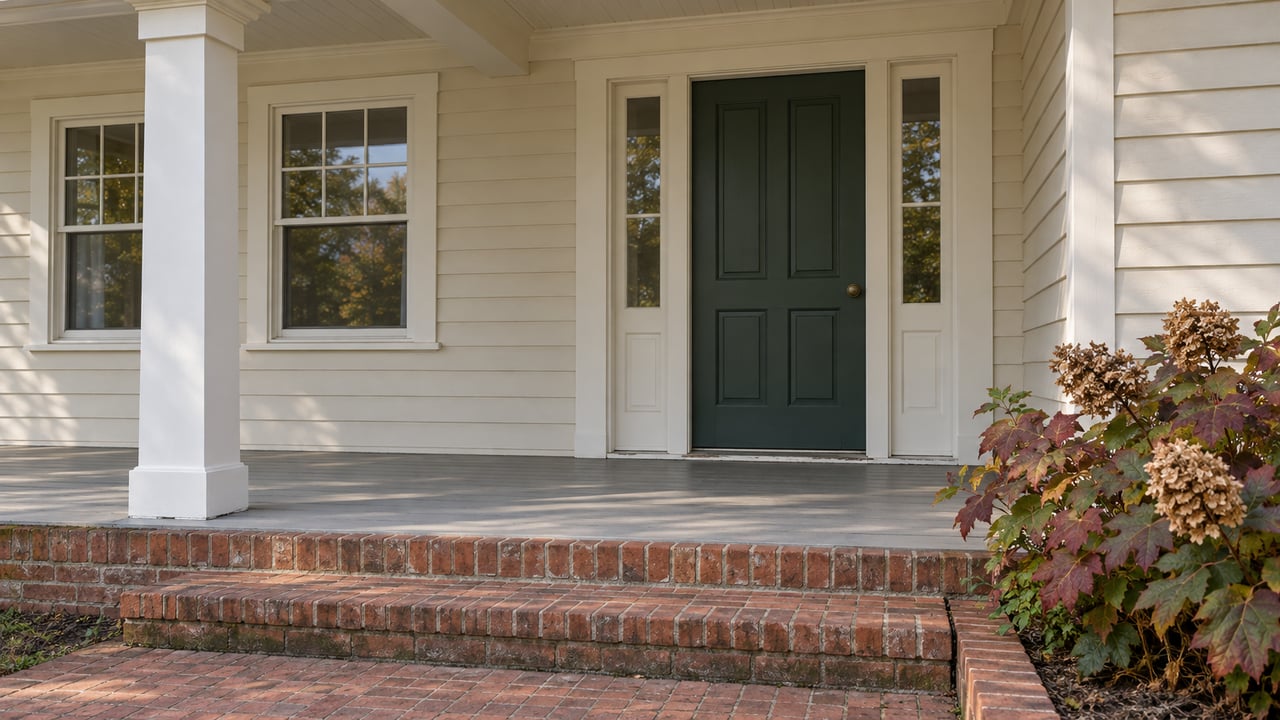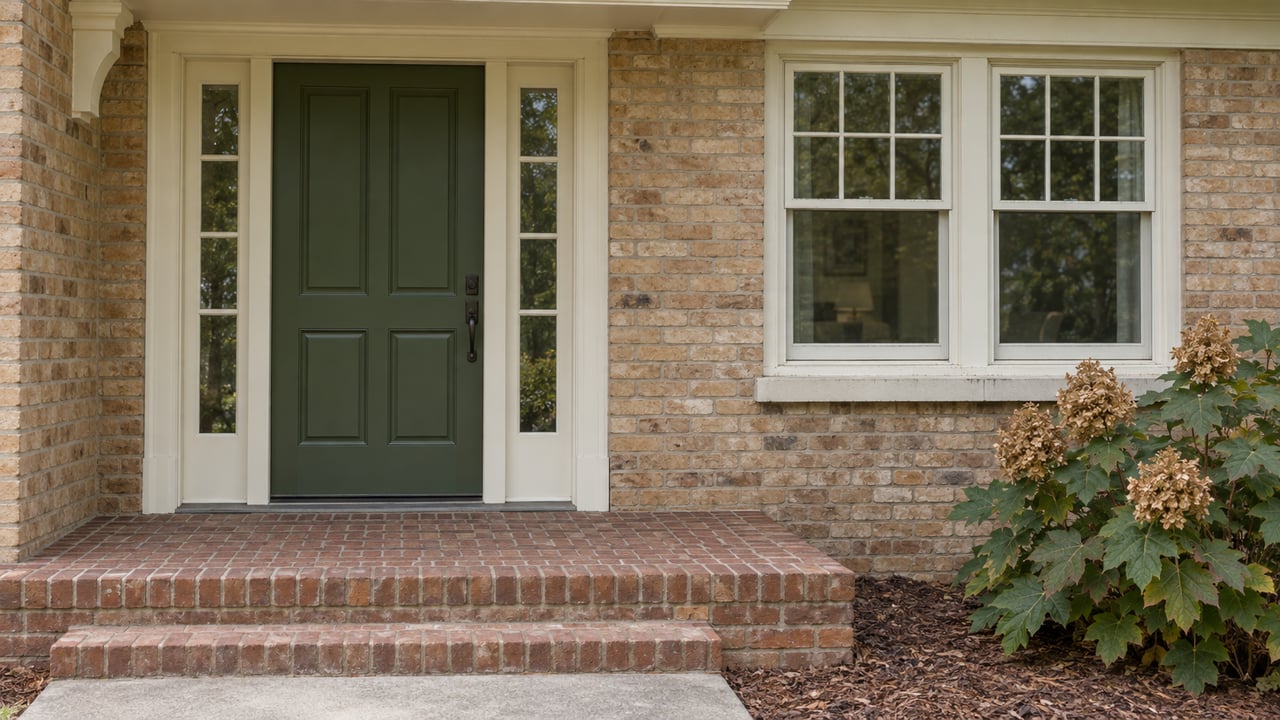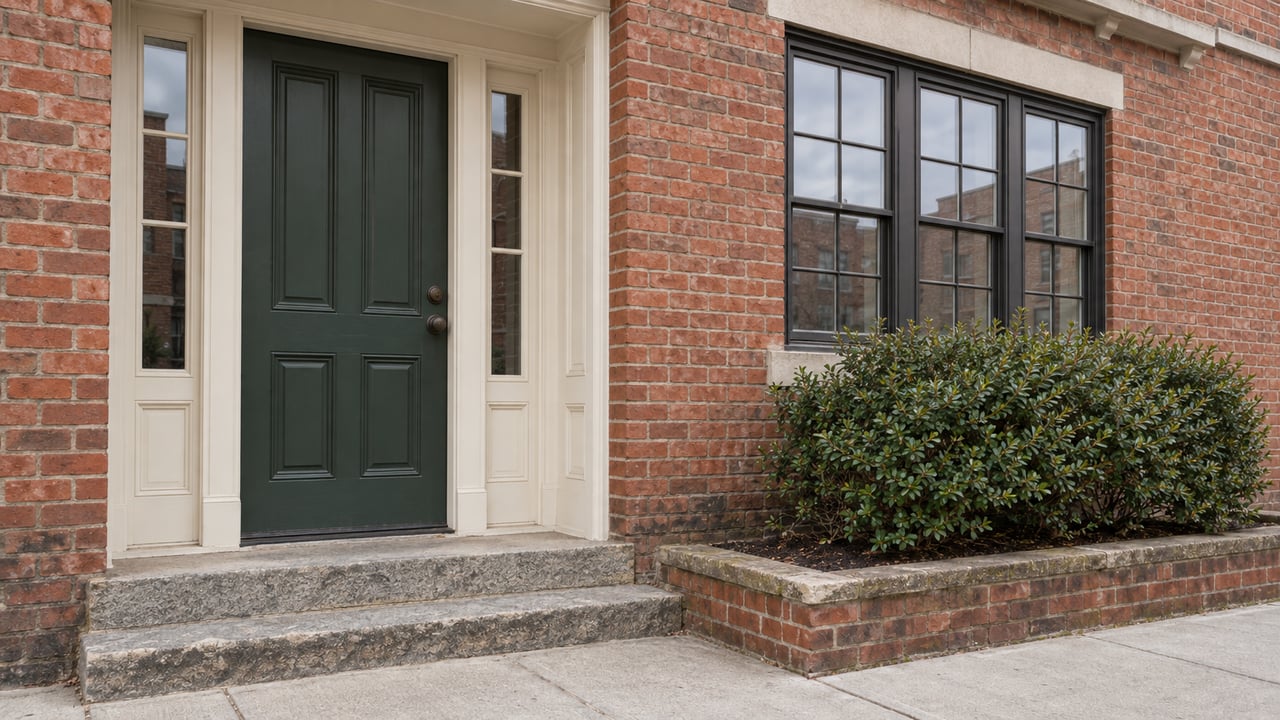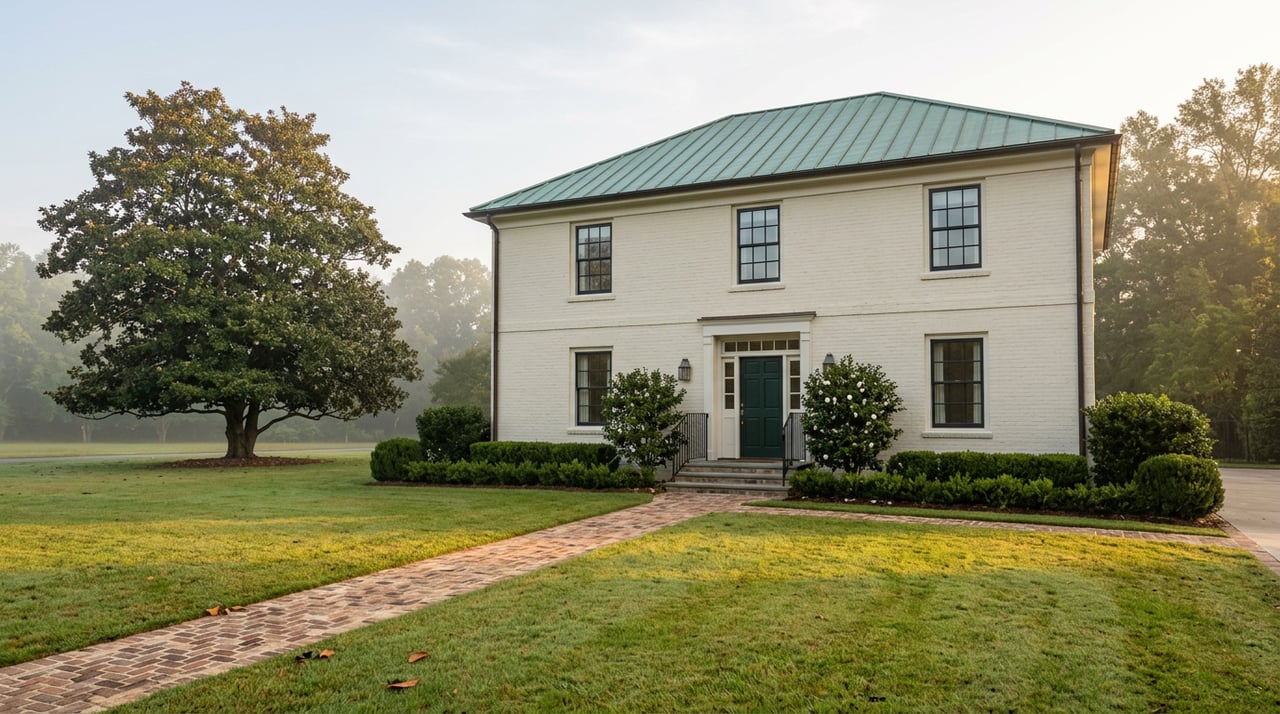
Have you ever driven through Druid Hills and wondered why one block feels like a storybook English estate and the next feels like a classic brick manor or a cozy porch bungalow? If you are home shopping here, those differences are not just looks. Style influences floor plans, maintenance, and even what you can change. In this guide, you will learn how to spot the main architectural styles, what living in each one is like, and what to expect with renovations and approvals in this historic Atlanta neighborhood. Let’s dive in.
Why Druid Hills looks the way it does
Druid Hills was planned with curving parkways, linear parks, and grand lots. Its landscape design and architecture are recognized on the National Register of Historic Places, which helps explain the consistent historic character across streets and sub‑areas. You can explore the district’s significance in the National Park Service listing for the Druid Hills Historic District.
Much of Druid Hills is a Local Historic District governed by DeKalb County’s Historic Preservation Ordinance. The county publishes a neighborhood‑specific Druid Hills Design Manual that guides exterior changes and new work. Some streets fall under the City of Atlanta’s review, and parts of Emory and adjacent areas overlap with related historic districts. That dual jurisdiction means the exact address determines which review body and rules apply.
The design manual also outlines character areas such as the core parkway sections, Emory‑adjacent pockets, and areas with later infill. This is helpful as you compare how styles cluster and how guidelines apply by block.
Styles you will see most
Tudor Revival
- How to spot it: Steep, multi‑gabled roofs, tall decorative chimneys, brick or stone at the first level, and stucco or half‑timbering in upper gables. Grouped, narrow windows are common.
- What living in it feels like: Asymmetrical layouts create charming nooks, fireplaces, and irregular rooms. Many homes started with defined formal rooms and separate service areas that later opened up. Expect rich woodwork and smaller original closets.
- Local touchstones: The Emory president’s residence at Lullwater House and the Tudor‑Gothic mansion now known as Callanwolde Fine Arts Center reflect the neighborhood’s high‑style Tudor heritage.
Colonial Revival and Neoclassical
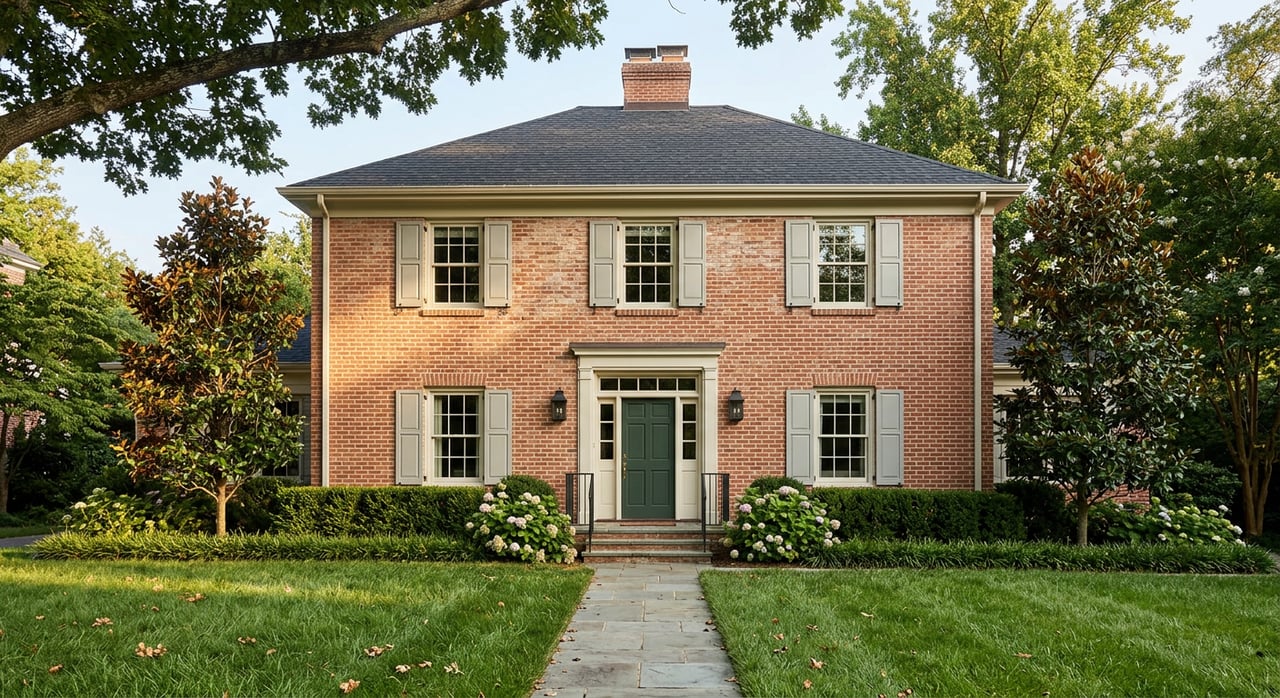
- How to spot it: Balanced symmetry, multi‑pane double‑hung windows, brick facades, and classical columns. Some houses feature full‑height entry porticos with pediments and dentil details.
- What living in it feels like: Central‑hall plans with formal living and dining rooms near the foyer and bedrooms upstairs. These layouts are elegant and intuitive, though opening the kitchen to the main floor often requires thoughtful design and structural work.
Italian Renaissance and Mediterranean
- How to spot it: Low‑pitched clay tile roofs, smooth stucco or masonry walls, arched entries, and terrace or loggia spaces. You will notice Mediterranean roof tiles and refined masonry details on prominent avenues.
- What living in it feels like: Formal rooms often orient toward courtyards or terraces. Heavy masonry envelopes age well but are more specialized and costlier to modify.
Craftsman Bungalows and American Foursquares
- How to spot it: For Craftsman, look for low to moderate gables, wide eaves with exposed rafter tails, and tapered porch columns on masonry piers. Foursquares are boxy two stories with a broad front porch and a central dormer.
- What living in it feels like: Bungalows typically have an open living and dining area with built‑ins and a central fireplace. Foursquares usually offer four rooms per floor with simple circulation. These homes are often easier to update with new kitchens and baths compared with the grand masonry estates.
Later‑era houses and infill
You will also find mid‑century ranches and later remodels sprinkled among historic blocks. The county’s character‑area guidance treats these streets differently and offers tailored language for additions and new construction. Expect more variation in lot coverage and interior layouts in these pockets. Review the Druid Hills Design Manual for how standards apply by area.
Key floor plan takeaways by style
- Tudor Revival: Warm, compartmentalized main floors with fireplaces and cozy alcoves. Kitchens were historically separate, so many homes have undergone or could benefit from sensitive kitchen expansions.
- Colonial/Neoclassical: Graceful central‑hall organization that suits entertaining. Converting to large open‑concept spaces is possible, but it can be more invasive due to load‑bearing walls and formal millwork.
- Mediterranean: Strong indoor‑outdoor flow to terraces and courtyards. Masonry structure makes it durable and quiet, but moving openings or adding steel for large spans can increase project costs.
- Craftsman/Foursquare: Efficient, practical layouts that adapt well to modern living. Kitchens and baths can be reworked without major structural overhauls in many cases.
Renovation and maintenance realities
Older Druid Hills homes often feature masonry walls, clay tile or slate roofing, original wood windows, and hand‑crafted millwork. These character‑defining elements are worth preserving and can shape budgets and timelines.
Roofs, chimneys, and drainage
Clay tile and slate roofs appear frequently on Mediterranean, Italian, and some Tudor houses. These materials can last for decades, but repairs require specialists and matching components. The National Park Service’s technical brief on historic roofing explains why repair and compatible replacement protect both function and character. Review the NPS guidance summarized here: Roofing for historic buildings. If a home has original tile or slate, schedule a specialist inspection and ask for written condition reports as part of your offer strategy.
Masonry and mortar
Many facades are brick or stone. Inappropriate mortar, especially hard Portland cement mortars, can damage historic masonry. Consult best practices for repointing and request records of past work. A helpful overview of compatible mortar selection and methods is here: Masonry repointing best practices.
Windows, doors, and porches
Original wood windows and porch details define the look of these homes. Rather than wholesale replacement, preservation guidance typically favors repair and weatherization to retain appearance and performance. For an accessible summary, see this historic wood window repair guide. Also know that porches are regulated features. Changes that alter their massing or visible details often require review.
Systems, insulation, and potential hazards
Expect to evaluate electrical panels and wiring, HVAC equipment, insulation levels, and older plumbing. Homes built before 1978 may contain lead paint, and some pre‑1975 materials can include asbestos. The EPA outlines what to test and how to work safely during renovation. Start here: EPA guide to lead hazards in older homes. Build lead‑safe and asbestos‑safe practices into your budget and schedule.
Approvals, permits, and timelines
Exterior work in much of Druid Hills requires a Certificate of Appropriateness. The county’s Druid Hills Design Manual explains what changes are reviewed and the standards used. Applications often include plans, elevations, material specs, and tree protection. The county provides examples of submittal materials, such as this COA checklist and sample packet. Reviews can result in approvals, deferrals with requested changes, or denials. Plan for several weeks or months of lead time for exterior alterations.
Practical tip: Work with architects and contractors who have completed projects in DeKalb’s and the City of Atlanta’s historic districts. Ask the seller’s agent for any prior COA approvals, denials, or conditions tied to the property. That history can save time and clarify what is feasible.
How style affects price, scope, and timing
Druid Hills spans everything from modest bungalows to large parkway estates. That range means medians can swing based on neighborhood boundaries and a handful of luxury sales. Use recent, hyper‑local comps when evaluating a home rather than one broad average. For context on the luxury tier, local reporting documented record single‑home sales around $8 to $9 million in 2024, underscoring what fully renovated estates can command in this market. See the coverage of a record‑breaking Druid Hills sale.
Renovation intensity usually tracks with style and materials. High‑style masonry houses with tile or slate roofs, elaborate chimneys, and stone or brick facades often require specialty trades, careful detailing, and longer timelines. Craftsman bungalows and foursquares typically allow more straightforward kitchen and bath reconfigurations, with simpler structural changes and faster schedules. The Druid Hills Design Manual emphasizes repairing character‑defining features in kind, which can add time and cost but helps protect long‑term value.
If you expect to pursue state tax incentives for qualified rehabilitation work, review Georgia’s program rules early. Credits require preapproval, defined scopes, and documentation. Start with the state’s historic rehabilitation tax credit rules to understand eligibility, caps, and timelines before you rely on credits in a budget.
Quick buyer checklist for a Druid Hills listing
- Confirm the exact jurisdiction for the address. Different review rules can apply in DeKalb County versus the City of Atlanta. Use the Druid Hills Design Manual to understand standards and character areas.
- Ask for the parcel’s COA history, including prior approvals, deferrals, or denials, and any plans the county or city previously reviewed. See this COA checklist and sample packet for what reviewers expect.
- Identify roof material and age. For slate or clay tile, order a specialist condition report and budget for compatible repairs guided by NPS roofing best practices.
- Evaluate original wood windows and porches. Obtain restoration estimates and review the window repair guidance before assuming replacements are allowed.
- Inspect mechanical systems and test for potential hazards. The EPA lead guide is a good starting point for safe renovation planning.
- If tax credits are part of your plan, begin preapproval conversations early using the state’s rehabilitation tax credit rules.
Druid Hills rewards buyers who value timeless architecture, Olmsted‑designed parkways, and proximity to cultural anchors. With the right due diligence and team, you can enjoy the character you love while making thoughtful updates that stand the test of time.
Ready to explore homes by style, compare renovation paths, and align your purchase with your goals? Connect with the Allie Burks Group to schedule a private consultation and tour the options that fit your vision.
FAQs
What are the most common home styles in Druid Hills?
- You will most often see Tudor Revival, Colonial and Neoclassical, Italian or Mediterranean revivals, Craftsman bungalows, American Foursquares, and some later infill.
How do historic rules affect exterior changes in Druid Hills?
- Many addresses require a Certificate of Appropriateness under DeKalb’s Druid Hills Design Manual, which can add review time and shape materials and design.
Are tile or slate roofs more expensive to maintain?
- Yes, clay tile and slate are durable but need specialist repairs and compatible components; see NPS roofing guidance for best practices.
What makes bungalows and foursquares easier to update?
- Their simpler wood framing and straightforward room layouts typically allow kitchen and bath updates with fewer structural changes compared with masonry estates.
Can I get historic rehabilitation tax credits in Georgia?
- Georgia offers a state rehabilitation tax credit with eligibility rules, caps, and required preapprovals; review the program rules early.
Where can I learn more about the neighborhood’s history and plan?
- Start with the National Register listing for Druid Hills and the Druid Hills Civic Association’s preservation overview.