Selling in Midtown or another intown Atlanta neighborhood is not just about putting furniture in the right room. You are also selling light, skyline views, walkability, and the feeling of living in one of the city’s most connected urban districts. When staging is done well, it helps buyers picture both the home and the lifestyle, which is exactly what matters in a compact, design-conscious market like Midtown. Let’s dive in.
Why staging matters in Midtown
Midtown is a dense 1.2-square-mile district with about 27,000 residents, according to Midtown Alliance. It blends traditional neighborhoods, lofts, and high-rise living, with access to more than 300 acres of parks and greenspace. That mix creates a market where presentation has to do more than look pretty. It has to reflect how the home fits into a distinctly intown way of living.
The area’s housing stock also calls for a more tailored approach. Some homes highlight historic details and established character, while others lean into floor-to-ceiling glass, balconies, and city views. In both cases, staging works best when it supports the property’s identity instead of fighting it.
The numbers also back up the effort. In NAR’s 2025 Profile of Home Staging, 49% of sellers’ agents said staging reduced time on market, and 29% said it increased the dollar value offered by 1% to 10%. Just as important, 83% of buyers’ agents said staging made it easier for buyers to visualize a property as their future home.
Start with light, views, and flow
In Midtown and intown listings, the first job of staging is often to make the home feel brighter, more open, and more connected to its surroundings. That matters in condos, lofts, townhomes, and historic homes alike. Buyers notice natural light quickly, and in this market, they also notice what the windows frame.
If your home has large windows, skyline exposure, or park-facing views, those features should lead the story. Keep window treatments light and simple so daylight can do its job. Clear surfaces near windows, reduce visual clutter, and make sure furniture placement does not interrupt sightlines.
For smaller or open-plan spaces, flow matters just as much as light. Staging should help buyers understand how the space lives day to day. That means defining each zone clearly without crowding the room.
Prioritize the rooms that matter most
If you are working within a budget, focus on the rooms that have the biggest impact first. NAR found that buyers’ agents ranked the living room as the most important room to stage, followed by the primary bedroom and kitchen. Sellers’ agents most commonly staged the living room, primary bedroom, dining room, and kitchen.
Here is a simple priority list for many Midtown and intown listings:
- Living room for first impressions, photos, and everyday lifestyle appeal
- Primary bedroom for comfort, scale, and calm
- Kitchen for cleanliness, function, and finish level
- Dining area to show how entertaining or daily meals can work
- Balcony, terrace, or outdoor area if it adds usable living space
The living room often carries the listing online. It is usually one of the first spaces buyers see in photos, and it often connects to windows, views, or open-concept living. In Midtown, that makes it a natural focal point.
The primary bedroom should feel restful and uncluttered. Use a restrained palette, scaled furniture, and minimal accessories so the room feels larger and more polished. Buyers do not need a lot of styling here. They need a clear sense of comfort and function.
In the kitchen, clean counters matter more than decorative extras. A few intentional touches can work, but the real goal is to make the space feel spotless, efficient, and easy to maintain. If the kitchen opens into the main living area, the styling should feel consistent across both spaces.
Match the staging to the property type
Condo and high-rise staging
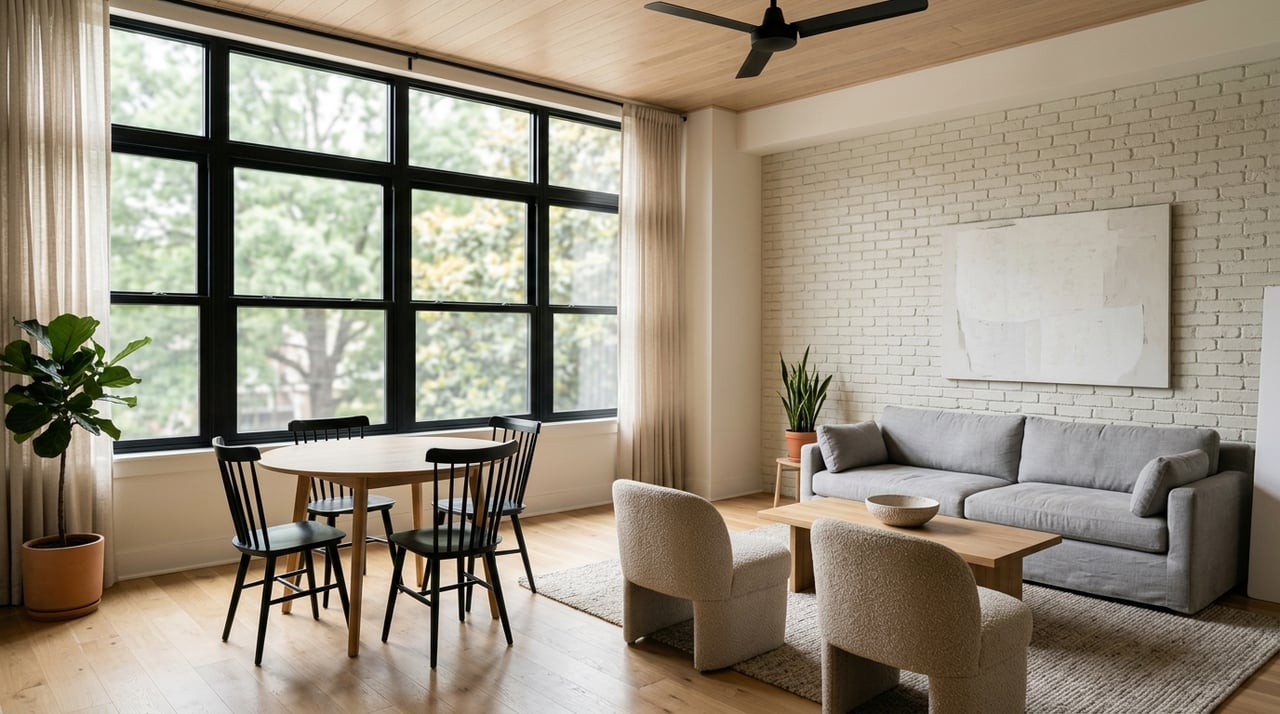
For Midtown condos and high-rises, windows and outdoor spaces should be treated as part of the living area. Midtown listings often emphasize park adjacency, skyline views, southern exposure, and floor-to-ceiling glass. Your staging should support those features instead of distracting from them.
Choose furniture with cleaner lines and lighter visual weight. Avoid oversized sectionals, bulky accent pieces, or dark window coverings that shrink the room. If you have a balcony or terrace, style it as usable space with simple seating or a small dining setup, not as storage.
Loft and open-plan staging
Lofts often need staging that creates purpose without closing things off. Use rugs, lighting, and furniture placement to define living, dining, and work zones. This helps buyers read the floor plan quickly and see how the home can support daily life.
NAR’s staging guidance recommends showing room versatility, which is especially useful in lofts and compact intown homes. A well-placed desk, a clearly defined dining nook, or smart shelving can help buyers understand the possibilities. The key is to suggest function, not fill every inch.
Historic and established home staging
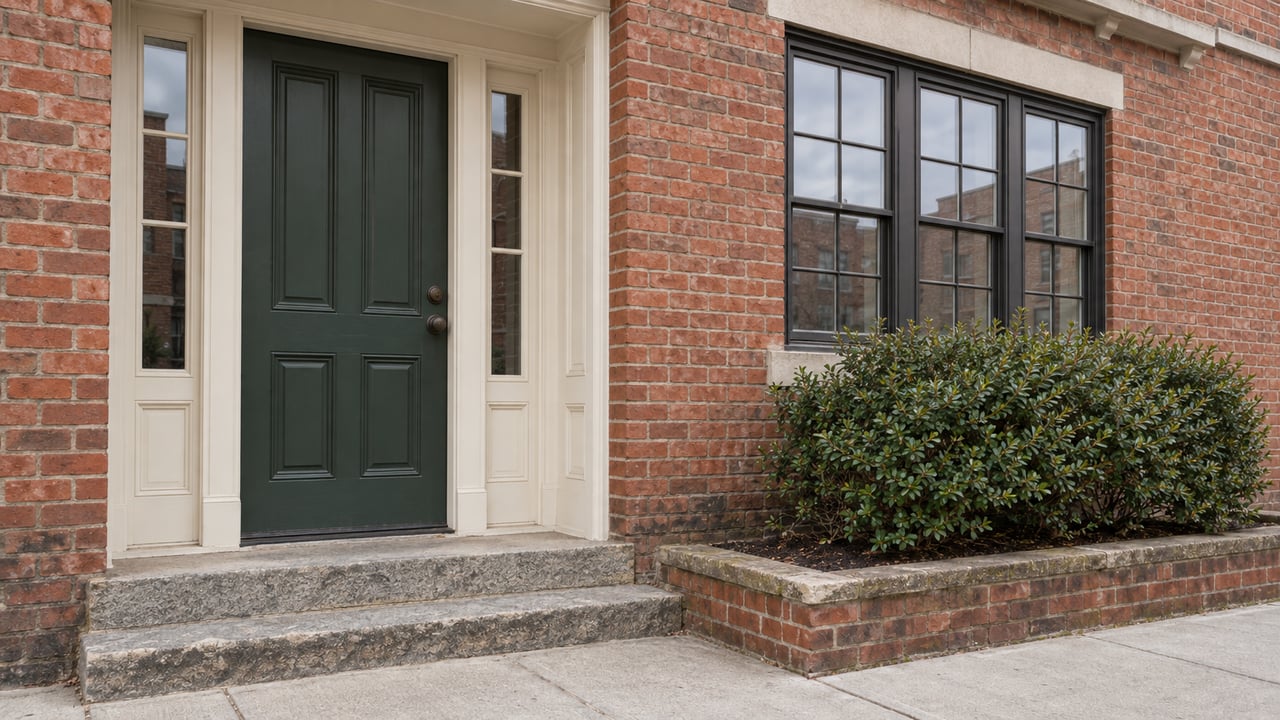
Midtown’s history includes late-1800s mansions, later reinvestment, and a long urban revival. In established intown homes, staging should protect character instead of flattening it. Original millwork, fireplaces, tall windows, and older architectural details should still feel like part of the main event.
That usually means pairing classic features with restrained contemporary furnishings. You want the home to feel current, but not stripped of personality. When the styling is too trendy or too heavy, buyers can lose sight of what makes the property special.
Declutter before you decorate
The most effective staging often starts before any furniture is added or adjusted. According to NAR, the most common pre-listing recommendations were decluttering, cleaning the entire home, and improving curb appeal. Those basics matter because buyers respond to spaces that feel clean, cared for, and easy to understand.
Before listing, focus on these essentials:
- Remove excess furniture that makes rooms feel tight
- Clear countertops, shelves, and window ledges
- Deep clean every room
- Touch up paint where needed
- Address minor repairs
- Refresh the entry and outdoor areas
- Remove pet items for showings if possible
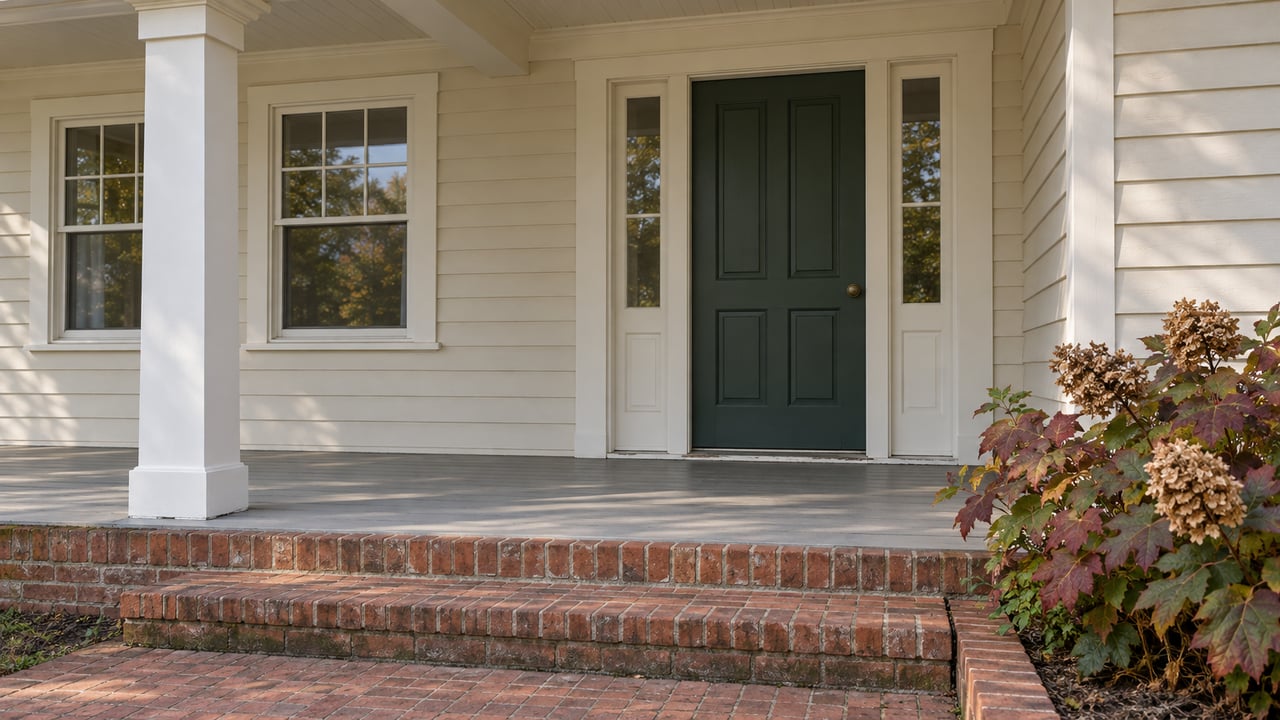
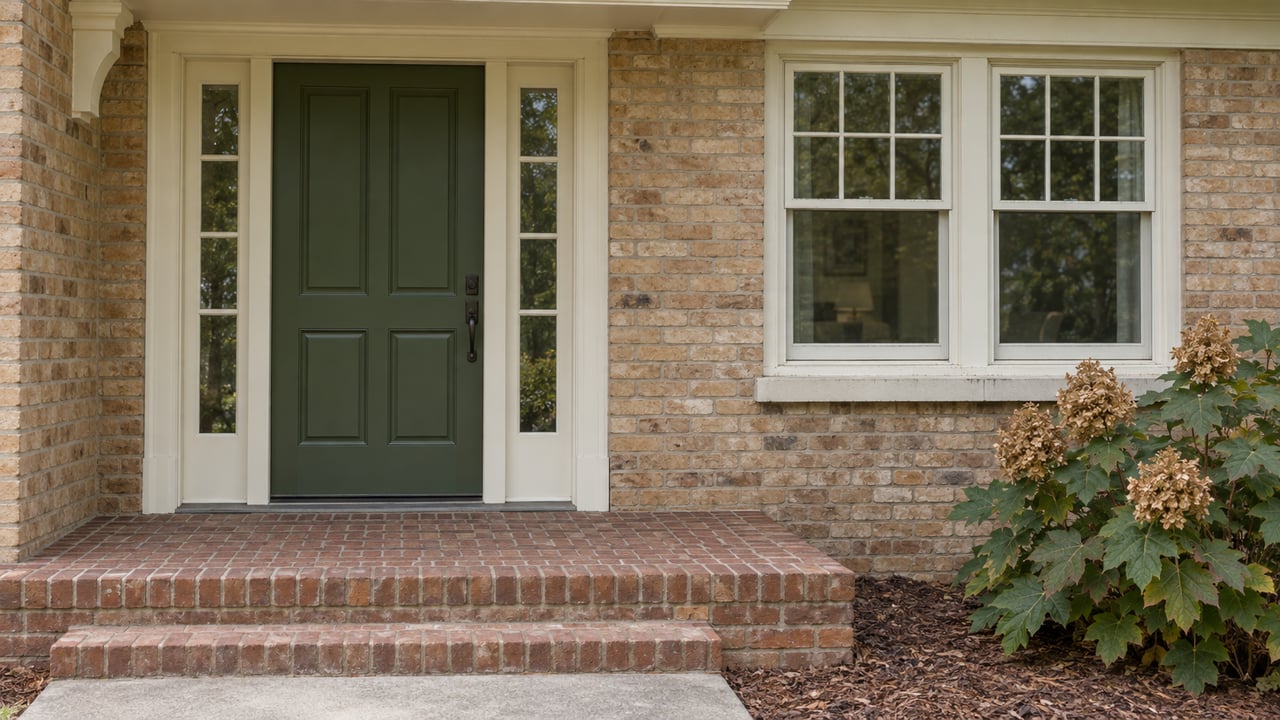
In a Midtown condo, that might mean simplifying bookshelves, clearing kitchen counters, and making the balcony feel open. In an intown single-family home or townhome, it may also include tidying the front entry, porch, or patio so the home feels polished from the start.
Stage for photos, not just showings
In today’s market, staging and media should work together. NAR’s 2025 report found that buyers’ agents rated photos as highly important more often than any other listing asset, followed by physical staging, videos, and virtual tours. Sellers’ agents also put photos first.
That matters because buyers often decide whether to visit a home based on what they see online. NAR also reported that buyers were more willing to walk through a home they first saw online. If your listing does not photograph well, many buyers may never experience the home in person.
This is where smart staging can change the result. Clean sightlines, balanced furniture placement, and controlled accessories help rooms feel larger and calmer on camera. In Midtown, where natural light and views are major selling points, strong photography can turn those features into a real competitive advantage.
Use virtual staging carefully
Virtual staging can be helpful in some situations, but it usually works best as a supplement rather than a substitute. NAR found that sellers’ agents viewed virtual staging as less important than photos, videos, and physical staging. That suggests buyers still respond most strongly to homes that feel genuinely prepared and well presented.
If a home is vacant, virtual staging may help buyers understand scale or layout online. But for many occupied or premium listings, physical staging creates a more consistent experience across photos, showings, and marketing. The goal is alignment, so what buyers see online matches what they feel when they walk in.
Think beyond the rooms
One of the biggest staging mistakes in Midtown is treating the property like it exists in a vacuum. Midtown Alliance describes the district as walkable and close to parks, arts, attractions, shopping, and dining. That means buyers are often responding to a broader lifestyle picture as much as the square footage itself.
Your staging should quietly support that story. A breakfast nook that feels bright and relaxed, a balcony that reads as morning coffee space, or a living room arranged to highlight park or skyline views can all reinforce how the home lives within the neighborhood. The result feels more intentional and more local.
This is especially important in intown Atlanta, where different pockets have distinct housing styles and buyer expectations. A one-size-fits-all staging plan rarely performs as well as a strategy tailored to the home, block, and audience.
What staging can cost
NAR reported a median staging-service cost of $1,500, compared with $500 when a sellers’ agent personally handled staging. The right investment depends on the home’s condition, price point, and how much work is needed before photos. In many cases, the smartest approach is not the biggest spend. It is the most targeted one.
If your budget is limited, start with decluttering, cleaning, and staging the highest-impact rooms. If the home has standout architectural details, great windows, or a strong outdoor feature, make sure those elements are supported first. Thoughtful edits often matter more than adding more décor.
Why a tailored approach wins
Midtown and intown listings reward strategy. You are often marketing a combination of architecture, layout, light, and location-driven lifestyle. The most effective staging plan brings those pieces together so the home feels clear, elevated, and memorable from the first photo to the final showing.
That is why a tailored, neighborhood-aware process matters. A high-rise near Piedmont Park should not be staged like a traditional home in an established intown pocket, and a historic residence should not be styled as if character is something to hide. When the staging fits the property and the market, buyers feel it right away.
If you are preparing to sell in Midtown or anywhere across Intown Atlanta, the right guidance can make every decision easier, from pre-listing edits to final photography. The team at Allie Burks Group brings a senior-led, high-touch approach with professional staging and polished listing presentation designed for standout intown homes.
FAQs
What rooms should you stage first in a Midtown listing?
- Start with the living room, primary bedroom, and kitchen. These are the highest-priority spaces in NAR staging data, and they often carry the strongest visual impact in Midtown listings.
How should you stage a Midtown condo with large windows?
- Keep window treatments light, maintain clear sightlines, use furniture with less visual bulk, and make sure the layout highlights natural light and any skyline or park views.
Is virtual staging enough for an intown Atlanta home sale?
- Usually not by itself. It can help vacant homes online, but physical staging is generally more important for creating a strong and consistent experience in photos and in person.
What pre-listing steps matter most before staging a Midtown home?
- Decluttering, deep cleaning, minor repairs, paint touch-ups, and polishing the entry or outdoor area are the most useful first steps before final staging.
Why does staging matter so much for Midtown and intown homes?
- Because buyers in these areas are often evaluating more than the rooms. They are also responding to light, views, layout, and how the home connects to an urban lifestyle near parks, dining, and cultural amenities.