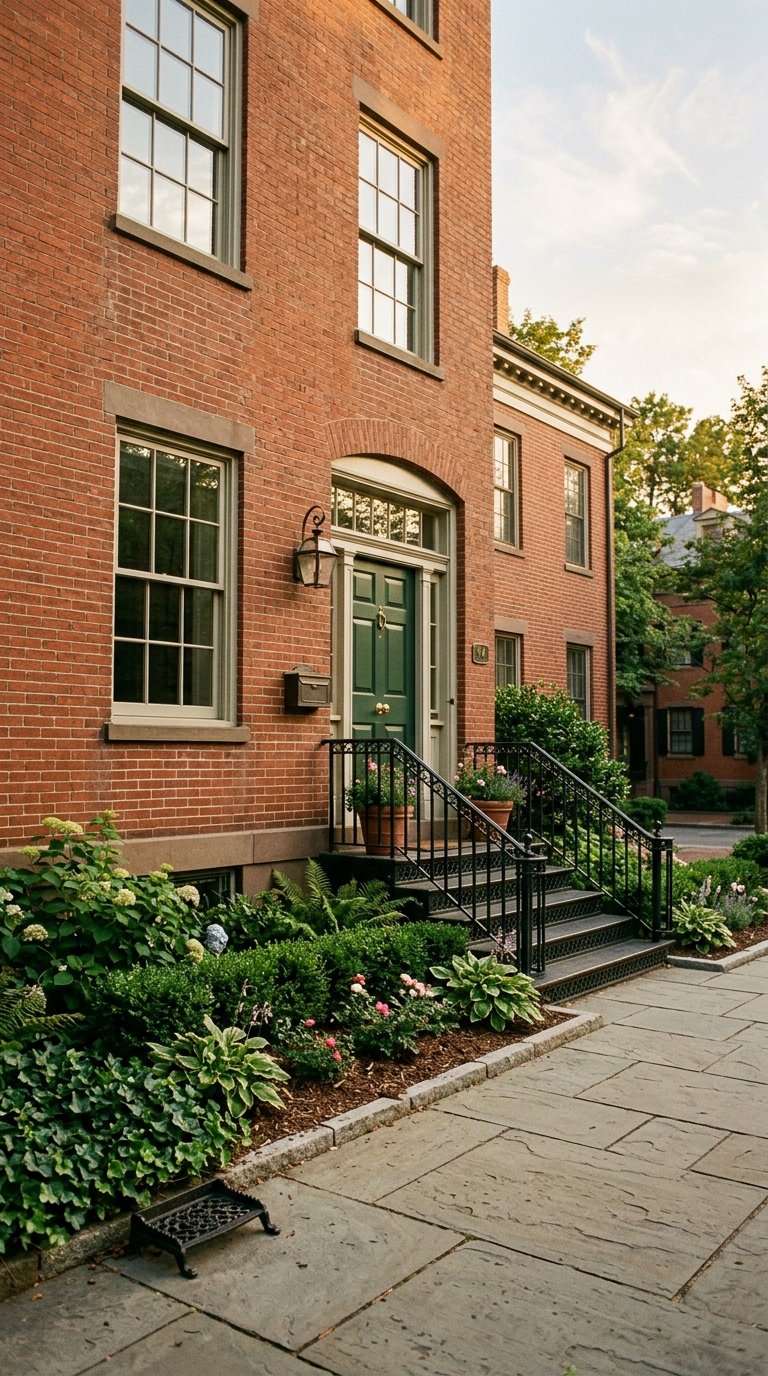
Choosing between Intown Atlanta and the nearby suburbs is not as simple as picking city or suburb. In this part of metro Atlanta, your day-to-day life often comes down to how you want to live: in a denser, more walkable setting, in a neighborhood with more traditional housing, or somewhere that blends both. If you are weighing where to focus your search, this guide will help you compare housing, walkability, commute patterns, and the overall feel of several popular areas. Let’s dive in.
The core lifestyle tradeoff
The biggest difference between Intown Atlanta and nearby suburbs is usually not raw distance from downtown. It is the mix of housing types, how close daily needs are, and whether your routine works best on foot, by rail, by trail, or by car.
Atlanta as a whole is more renter-heavy than several nearby cities in this comparison. Census QuickFacts shows Atlanta at 46.4% owner-occupied, with a median owner-occupied home value of $439,600. Nearby examples in this report tend to be more owner-occupied and often more expensive, including Brookhaven at 52.6% and $692,700, Decatur at 63.9% and $701,400, Sandy Springs at 50.2% and $619,800, and Smyrna at 59.4% and $449,500.
Intown Atlanta lifestyle by neighborhood
Intown Atlanta is not one single experience. Midtown, Virginia-Highland, and Morningside each offer a different version of living close to the city core.
Midtown feels most urban
If you want the most urban option in this comparison, Midtown stands out. Midtown Alliance describes it as one of the city’s most walkable environments, with four MARTA rail stations, bus service, bike lanes, and a pedestrian-oriented sidewalk network.
Midtown also offers a dense mix of daily conveniences and leisure options. The district highlights more than 150 restaurants, over 300 acres of parks and greenspace, and major arts and cultural institutions. For many buyers, that creates a lifestyle where errands, dining, and entertainment can happen close to home.
Housing in Midtown is also the clearest example of vertical living in this group. The area includes condos, apartments, loft-style residences, and historic neighborhoods, with nearly 7,000 residential units in the core alone. That means you can find both high-rise living and older detached homes within the same broader district.
Virginia-Highland feels walkable and house-oriented
Virginia-Highland offers a different Intown experience. It is walkable, but in a neighborhood-scaled way, with sidewalk dining, boutiques, and walkable blocks rather than a major transit hub.
The housing stock also leans more traditional. City planning materials and area descriptions point to mostly early- to mid-1900s homes, largely single-family detached structures, with a smaller share of attached multifamily housing. If you want Intown access without giving up the feel of established residential streets, Virginia-Highland often fits that goal.
Transit access is less central here than it is in Midtown. The Eastside BeltLine Trail adds another way to get around and enjoy the area, while the closest MARTA station is Midtown, about 1.5 miles away. In practical terms, Virginia-Highland often suits buyers who value walkable local amenities more than direct rail access.
Morningside feels established and green
Morningside is one of the strongest examples of an Intown neighborhood that feels rooted in residential character. The area is known for mature trees, greenspace, parks, and preserved neighborhood features rather than a dense concentration of commercial activity.
The neighborhood association notes more than 20 parks, preserves, landscaped traffic islands, and greenspaces in Morningside-Lenox Park. The preserve alone includes 33.1 acres of woods. If your ideal setting includes established homes, tree canopy, and a calmer residential rhythm, Morningside offers a very different kind of Intown appeal.
Its housing story supports that lifestyle. Planning materials reference 1920s brick bungalow architecture and protections tied to lot and tree canopy character. That points to a neighborhood where the setting itself is part of the draw.
Nearby suburbs with different rhythms
The suburbs closest to Atlanta are not all alike either. Some feel surprisingly walkable and compact, while others offer more variation from one neighborhood to the next.
Decatur feels closest to Intown
Among the nearby suburbs in this comparison, Decatur comes closest to an Intown lifestyle. The city says it has more than 60 miles of sidewalks within 4.7 square miles, three MARTA rail stations, and neighborhood commercial districts within easy walking distance of many historic single-family neighborhoods.
Decatur also blends walkability with more traditional housing. The city describes historic homes, neighborhood business districts, and accessory dwelling units that add rental options within single-family settings. So while Decatur is a separate city, it can feel very connected and compact on the ground.
For buyers who want a suburb without a strongly suburban feel, Decatur is often the clearest fit. It offers a highly walkable environment with rail access, but still centers much of its housing around established neighborhood streets.
Brookhaven offers a middle ground
Brookhaven is useful for buyers who want flexibility. Its housing stock is primarily single-family homes, but city planning materials also show a meaningful share of attached, small-multifamily, and larger multifamily options.
That mix helps Brookhaven land between classic Intown neighborhoods and more conventional suburban areas. Some detached residential zones include a minimum lot width of 75 feet and a minimum lot size of 10,000 square feet, which points to the possibility of more space in certain areas.
Walkability in Brookhaven is also selective rather than uniform. The city reports 79 miles of sidewalks, trails, and multiuse paths, plus a three-mile Brookhaven segment of the Peachtree Creek Greenway that connects into the regional trail system. For many buyers, that means lifestyle convenience depends heavily on the specific pocket you choose.
Sandy Springs mixes centers and larger-lot areas
Sandy Springs has both urbanized nodes and more traditional residential areas. City materials describe City Springs as a walkable center with a street grid, retail, dining, housing, and green space.
At the same time, planning documents also refer to large estate-lot single-family neighborhoods in protected residential areas. That gives Sandy Springs a wider range of living patterns than some buyers expect. You may find one area that feels connected and mixed-use, and another that feels much more private and residential.
For buyers comparing Intown living with the suburbs, Sandy Springs is a strong example of how one city can support different priorities. If you want more housing variety and the possibility of a larger homesite, it may offer options that are harder to find in tighter Intown neighborhoods.
Smyrna varies by neighborhood
Smyrna also shows how much neighborhood choice matters. The city describes historic bungalow neighborhoods, townhomes over shops near Market Village, traditional ranch neighborhoods, and larger homesite communities such as Vinings Estates.
That means Smyrna can feel more walkable in certain districts and more traditionally suburban in others. Market Village is described as a walk-to neighborhood, while many other areas follow a more conventional suburban pattern.
If you are open to a suburb but still want a pocket with local activity and a more connected feel, Smyrna may be worth a closer look. It is a reminder that suburb life does not always mean the same thing from one neighborhood to the next.
Housing differences to expect
One of the clearest differences between Intown Atlanta and nearby suburbs is housing form. Intown neighborhoods generally mean older homes, smaller lots, and a tighter arrangement of houses, condos, and mixed-use buildings.
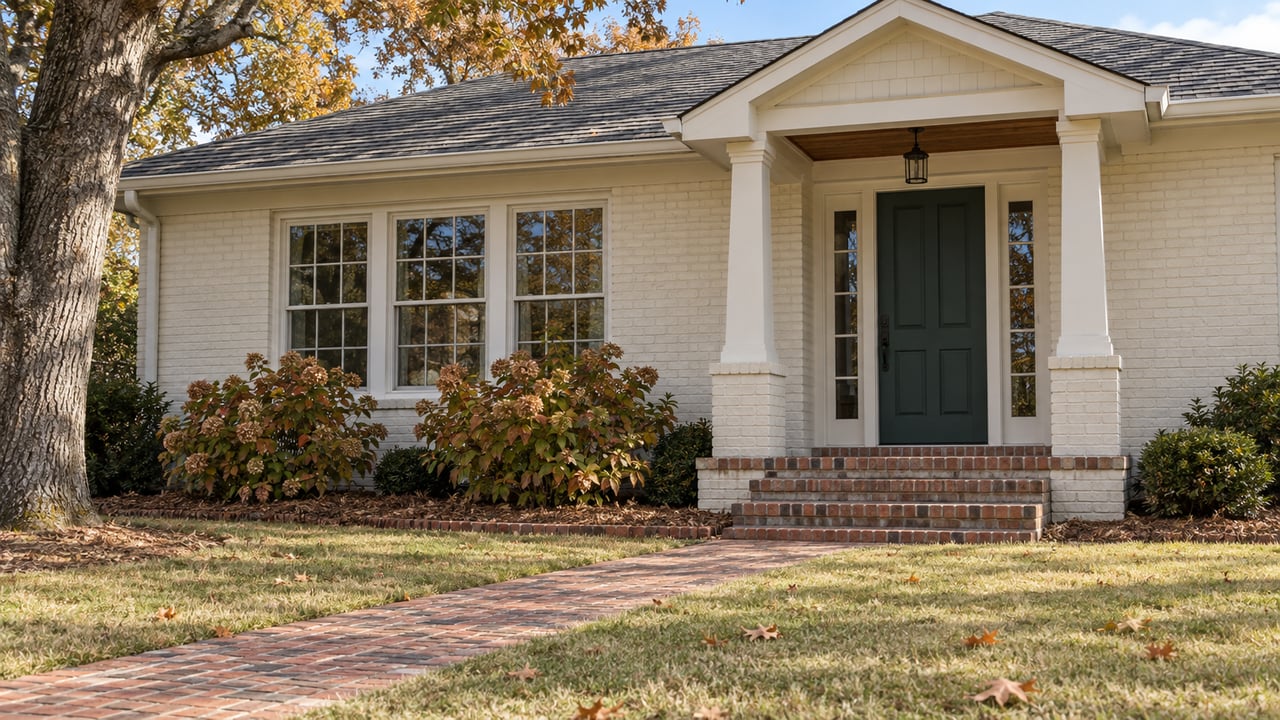
You can see that in Midtown’s concentration of condos and apartments, in Virginia-Highland’s bungalow streets, and in Morningside’s established residential fabric. These areas often appeal to buyers who value character, location, and lifestyle access over lot size.
Nearby suburbs tend to offer more range. Decatur still feels compact and walkable, while Brookhaven, Sandy Springs, and Smyrna can include both close-in, connected pockets and neighborhoods with larger lots or more traditional suburban spacing.
Walkability and daily convenience
If walkability is high on your list, this is where the biggest differences usually show up. Midtown and Decatur are the strongest examples in this comparison for a daily life built around sidewalks, transit access, and nearby amenities.
Virginia-Highland also supports a walkable lifestyle, but in a more local and neighborhood-focused way. Morningside offers convenience too, though its appeal is tied more to parks and greenspace than to concentrated dining and retail.
In the suburbs, walkability often exists in nodes rather than across an entire city. Brookhaven has trails and sidewalks, Sandy Springs is investing in walkable centers, and Smyrna has Market Village as a walkable district. The key is to look closely at the exact neighborhood, not just the city name.
Commutes are often closer than expected
Many buyers assume moving outside Atlanta automatically means a much longer commute. The Census data in this report suggests the reality is more nuanced.
Mean travel times are 26.5 minutes for Atlanta, 25.1 for Brookhaven, 25.9 for Decatur, 25.8 for Sandy Springs, and 29.8 for Smyrna. Those numbers show that commute patterns are often shaped more by job location and transportation options than by whether an address is technically Intown or suburban.
A better question is how you want to move through your day. Midtown makes rail-based movement easiest in this group, while Decatur also offers strong transit access. Brookhaven and Sandy Springs highlight how trails, sidewalks, and mixed-use centers can improve daily mobility even in places that are not fully urban in form.
How to decide what fits you best
If you are choosing between Intown Atlanta and the nearby suburbs, start with your daily habits rather than labels. Think about whether you want to walk to restaurants, rely on MARTA, spend more time around parks and neighborhood streets, or prioritize more housing variety and yard space.
It also helps to remember that these areas are not neatly divided into city versus suburb. Decatur can feel more connected than some buyers expect. Parts of Brookhaven, Sandy Springs, and Smyrna can offer a blend of convenience and space, while some Intown neighborhoods feel quieter and more residential than the word city might suggest.
The best fit usually comes down to matching your home search to the way you actually live. That is where neighborhood-level guidance matters most.
If you are weighing Intown Atlanta against close-in suburbs and want thoughtful, neighborhood-specific insight, the Allie Burks Group offers a boutique, senior-led approach to help you compare options and move forward with clarity.
FAQs
What is the biggest difference between Intown Atlanta and nearby suburbs?
- The main difference is usually housing form, amenity density, and how easily you can handle daily life on foot, by transit, or by car.
Which Atlanta area in this comparison feels the most urban?
- Midtown feels the most urban because it combines high-rise and apartment living with strong walkability, four MARTA rail stations, restaurants, parks, and cultural destinations.
Which Intown Atlanta neighborhoods feel more house-oriented?
- Virginia-Highland and Morningside feel more house-oriented because they are rooted in older single-family streets and established residential character.
Which nearby suburb feels closest to an Intown Atlanta lifestyle?
- Decatur is the closest match in this comparison because it combines strong walkability, three MARTA stations, and historic neighborhood housing.
Where are larger lots more common near Atlanta?
- Larger lots are more likely in some parts of Sandy Springs and Brookhaven, and Smyrna also includes larger homesite neighborhoods in certain areas.
Are suburban commutes around Atlanta always longer?
- No. Census figures in this report show travel times are fairly close across Atlanta, Brookhaven, Decatur, and Sandy Springs, with Smyrna somewhat higher, so commute experience often depends more on exact location and transportation access.