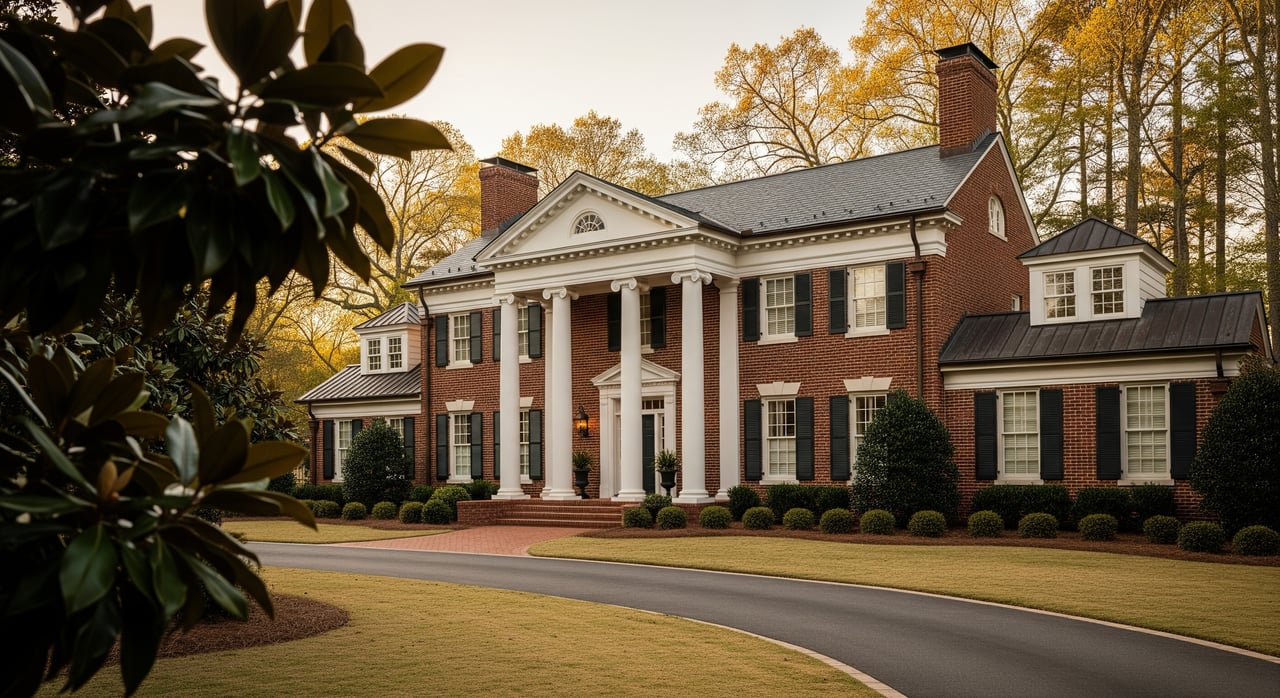
Thinking about replacing windows, adding a porch, or building an addition in Druid Hills? If you are on the DeKalb County side, historic‑district rules can affect what you do on the exterior and when you can start. It can feel like a maze when you just want to improve your home and protect its value. In this guide, you will learn what needs approval, who reviews it, how long it takes, and how these rules can influence resale. Let’s dive in.
What makes Druid Hills historic
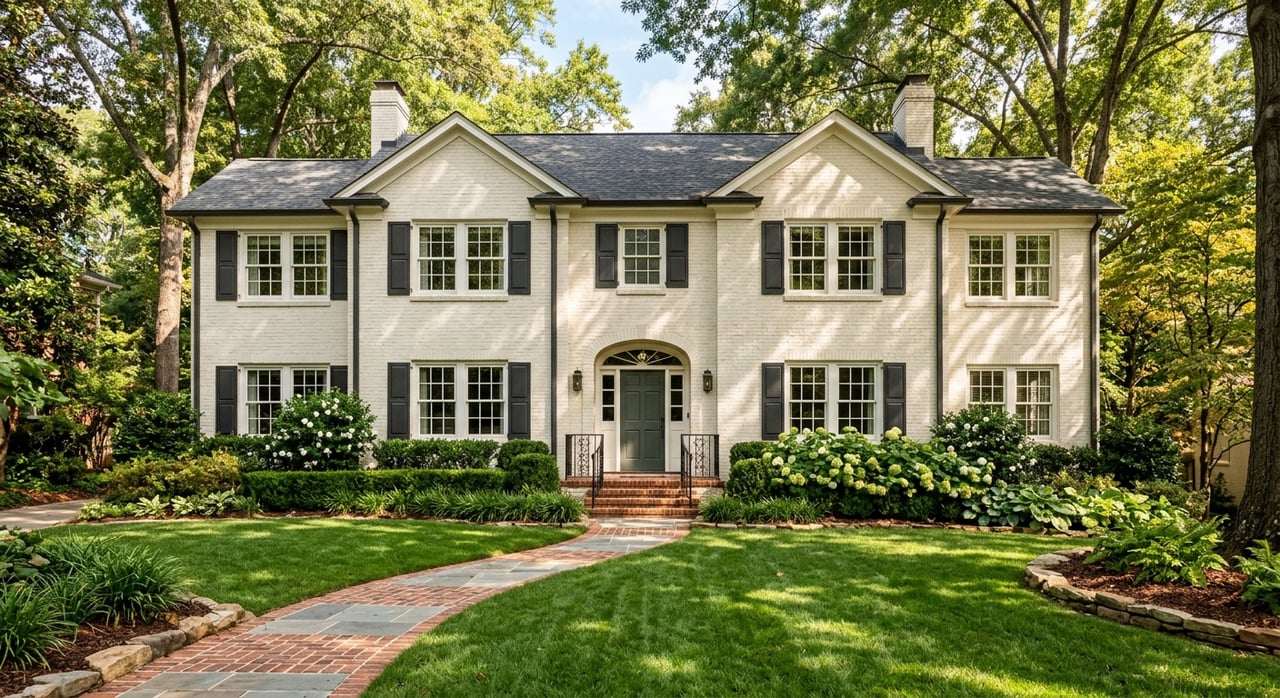
Druid Hills is nationally recognized for its early 20th‑century design and its association with Frederick Law Olmsted. The neighborhood is listed in the National Register of Historic Places, and parts of it are subject to local historic controls on the DeKalb County side. National Register status honors history, but the local historic district or overlay is what typically regulates private exterior work.
Always confirm the exact status and jurisdiction for a specific address. Some Druid Hills properties sit inside unincorporated DeKalb County, while others are within the City of Atlanta, and rules can differ. For DeKalb addresses, you will work with County historic preservation staff and the Historic Preservation Commission.
Who to contact for guidance
- DeKalb County Planning & Sustainability historic preservation staff and the Historic Preservation Commission for local rules, boundaries, and approvals.
- Georgia State Historic Preservation Office for state programs, guidance, and any required review for incentives.
- National Park Service for National Register documentation and the Secretary of the Interior’s Standards.
- Druid Hills Civic Association for neighborhood resources. It is not a regulator but can provide community context.
Exterior work that needs approval
Local review focuses on exterior changes that are visible from the public right of way. Common project types that trigger review include:
- New construction and additions that change massing or rooflines
- Demolition or partial demolition of contributing historic structures
- Changes to primary exterior materials like siding, stucco, or masonry
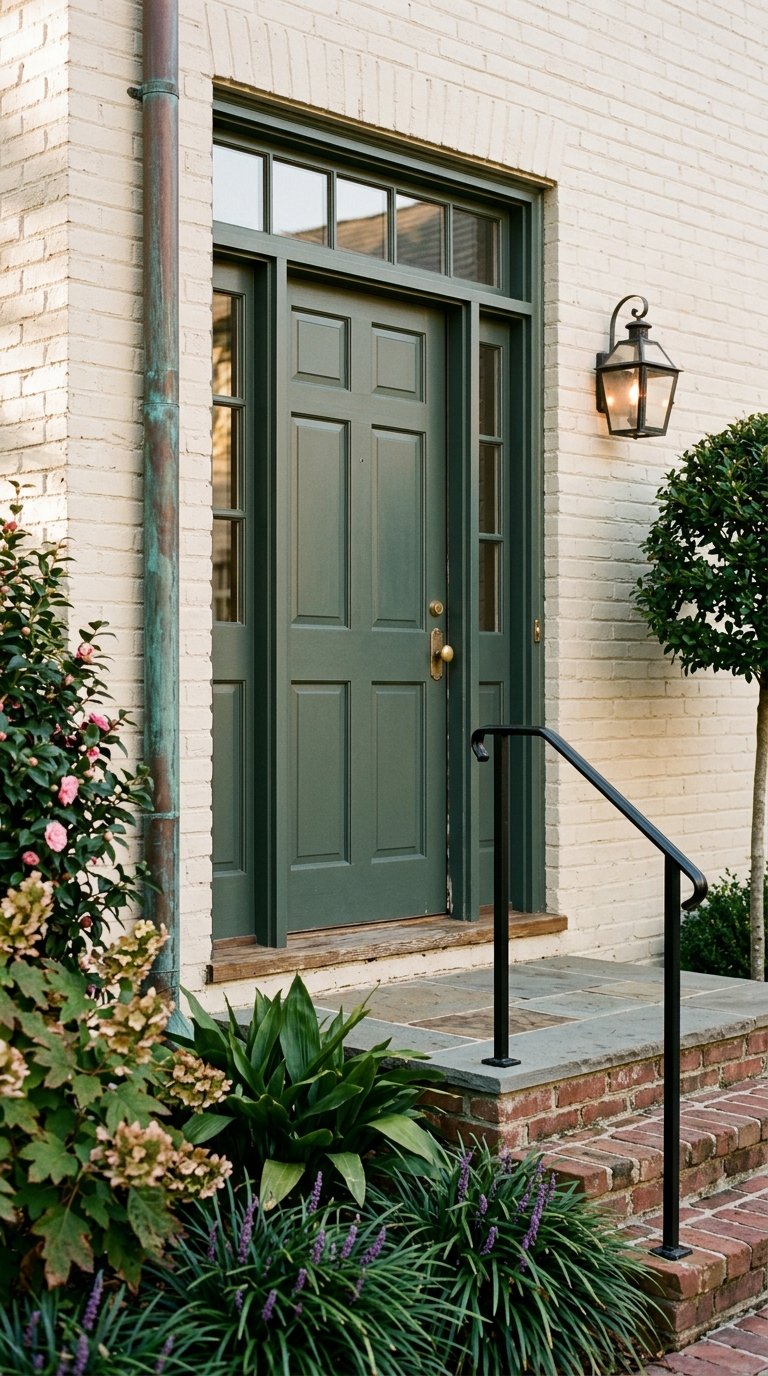
- Window and door replacements or alterations on street‑facing elevations
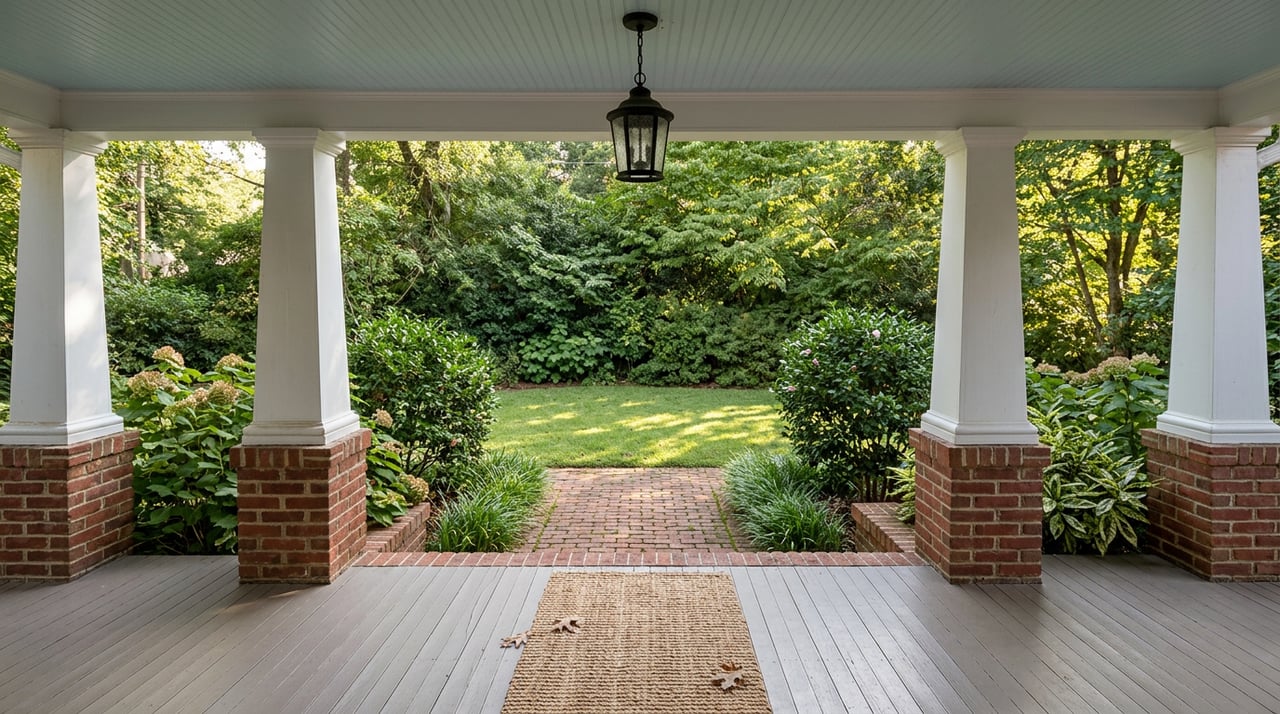
- Porch repair or alteration, including posts, railings, and steps
- Roofing visible from the street, including material and profile
- Fences, walls, driveways, curb cuts, and retaining walls
- Visible mechanical equipment, solar arrays, and satellite dishes
- Paint color controls vary by district. Confirm whether color is regulated for your parcel.
The standards you will follow
Most reviews use the Secretary of the Interior’s Standards for Rehabilitation as the baseline. In practice, that means you should preserve character‑defining features, repair rather than replace when feasible, and match the original appearance when replacement is necessary. New construction should be compatible in scale, massing, setback, and rhythm, while remaining clearly contemporary to avoid a false historical look.
DeKalb County’s local guidelines translate these principles into neighborhood‑specific examples, such as acceptable window profiles, porch proportions, and materials. Technical resources like National Park Service Preservation Briefs often inform decisions on windows, masonry, roofing, and energy upgrades.
Materials and features often scrutinized
- Windows: There is a strong preference to repair original sash and muntins. If replacement is necessary, high‑quality units that match historic sightlines and profiles are typically preferred. Vinyl on primary elevations is often discouraged.
- Roofing: Keep historic roof shapes. Commonly acceptable materials include architectural shingles that approximate historic profiles, standing‑seam metal where appropriate, and slate where it is original.
- Siding and trim: Preserve original wood or masonry. Substitute materials on principal façades are frequently limited or discouraged.
- Porches and masonry: Maintain existing footprints, columns, and railings. Rebuild in kind when documentation exists.
How the DeKalb review process works
- Pre‑application consult: Meet with County historic preservation staff to scope your project and confirm submittal needs.
- Submit your Certificate of Appropriateness application with drawings, photos, material samples, and site plans.
- Staff review: Minor, in‑kind repairs may be eligible for administrative approval.
- HPC hearing: Major changes such as additions, demolitions, or new construction go to a public meeting. Neighbor notification may be required.
- Decision: Approval, approval with conditions, denial, or a request for revisions.
- Building permit: The County will not issue building permits for regulated work until the COA is approved.
- Inspections: Construction is inspected for building code and any preservation conditions.
Typical timelines
- Staff‑level approvals: about 2 to 4 weeks, depending on the completeness of your submittal.
- HPC board review: allow 4 to 8 weeks from application to decision. Complex projects can take more than one cycle.
- Demolition or large new construction: budget 2 to 4 months or more, especially if revisions or neighbor concerns arise.
- Appeals or conditional approvals can extend schedules further. Build review time into closing contingencies and renovation plans.
Permits and sequencing
Do not start visible exterior work before approval. Unauthorized work can trigger stop‑work orders, fines, and even require restoration, which can complicate a sale. Coordinate contractor bids with potential conditions the HPC may impose, such as specific materials or details. If you plan to pursue federal or state tax incentives for eligible projects, secure those approvals before work begins.
Costs, incentives, and resale impact
Repairing or replacing to historic standards can cost more upfront than off‑the‑shelf options. Specialized craftspeople often charge more, but they lower the risk of improper work and can extend the life of original materials. Well‑executed repairs can be cost‑effective over time.
Incentives exist but are limited for most single‑family homeowners. The Federal Historic Tax Credit applies to certified rehabilitations of income‑producing properties. Georgia has offered state‑level programs at times, and some localities offer small grants or abatements. Always verify current options and requirements with the Georgia SHPO and DeKalb County.
From a market perspective, historic status can enhance curb appeal and attract buyers who value character. Local protections that keep the streetscape consistent can help support property values. On the other hand, some buyers worry about restrictions or the added time and cost for exterior changes. Sellers who complete work with proper approvals and keep good records reduce buyer concerns and avoid closing delays.
Buyer due diligence checklist
- Confirm the property’s jurisdiction and whether it lies in DeKalb’s local historic district or another overlay.
- Request prior Certificates of Appropriateness, building permits, and any preservation easements.
- Ask the seller for maintenance records and receipts for exterior work.
- Discuss planned changes with DeKalb historic preservation staff to learn what may require a COA.
- Have a contractor experienced with historic homes assess repair versus replacement for windows, porches, and siding.
- Budget extra time and a contingency for projects that need historic review.
Seller checklist for pre‑list updates
- Start with in‑kind repairs that preserve character and are likely eligible for staff approval, such as porch stabilization, roofing repairs, or masonry repointing.
- Avoid irreversible replacements until you confirm approval requirements, especially for original wood windows and primary façade materials.
- Obtain COAs in advance for visible exterior work so you can market completed, compliant improvements.
- Keep before‑and‑after photos and COA paperwork to provide to buyers.
Practical tips to speed approvals
- Meet with staff early and submit complete, well‑labeled drawings and photos.
- Choose materials that match original profiles and details on primary elevations.
- Plan additions that are compatible in scale and setback, and clearly differentiated from the original house.
- Build a realistic timeline into your purchase agreement or listing plan, especially for major work.
Common pitfalls to avoid
- Starting visible exterior work without a COA, which can lead to stop‑work orders or required restoration.
- Replacing original windows or siding on primary façades with non‑matching materials.
- Assuming your address follows City of Atlanta rules when it is actually under DeKalb, or vice versa. Jurisdiction drives process and standards.
- Underestimating time for HPC meetings, revisions, or appeals.
When to bring in experts
Consider engaging contractors who specialize in historic materials and methods. They can help you decide when repair is realistic and how to match profiles when replacement is necessary. For planning, approvals, and sequencing, a local agent with neighborhood experience can coordinate timing with vendors and help you present documentation to buyers.
If you are weighing updates before listing or planning changes after purchase, the senior‑led team at the Allie Burks Group can help you map the right scope, connect with trusted pros, and time the process to support your goals.
FAQs
Do I need approval to repaint in Druid Hills (DeKalb)?
- It depends on whether your specific area regulates paint color. Some local districts do not control color, while others do. Confirm requirements for your parcel with DeKalb County.
Are vinyl windows allowed on a historic home in Druid Hills?
- Many local boards prefer repair or high‑quality wood or clad replacements that match historic profiles. Vinyl on primary elevations is often discouraged. Check local guidelines for your address.
How long does a Certificate of Appropriateness take in DeKalb?
- Staff approvals often take 2 to 4 weeks. HPC hearings for larger projects usually take 4 to 8 weeks or longer, and complex proposals can require multiple cycles.
Can historic status affect resale value in Druid Hills?
- Yes. Protections can support neighborhood character and appeal, which many buyers value, though some are wary of restrictions. Proper approvals and documentation help reassure buyers and reduce closing risk.
What happens if I start work without approval in DeKalb’s historic district?
- You may receive stop‑work orders, face fines, and be required to restore altered features. It can also create hurdles for permits and during a sale. Always secure approvals before starting visible exterior work.